
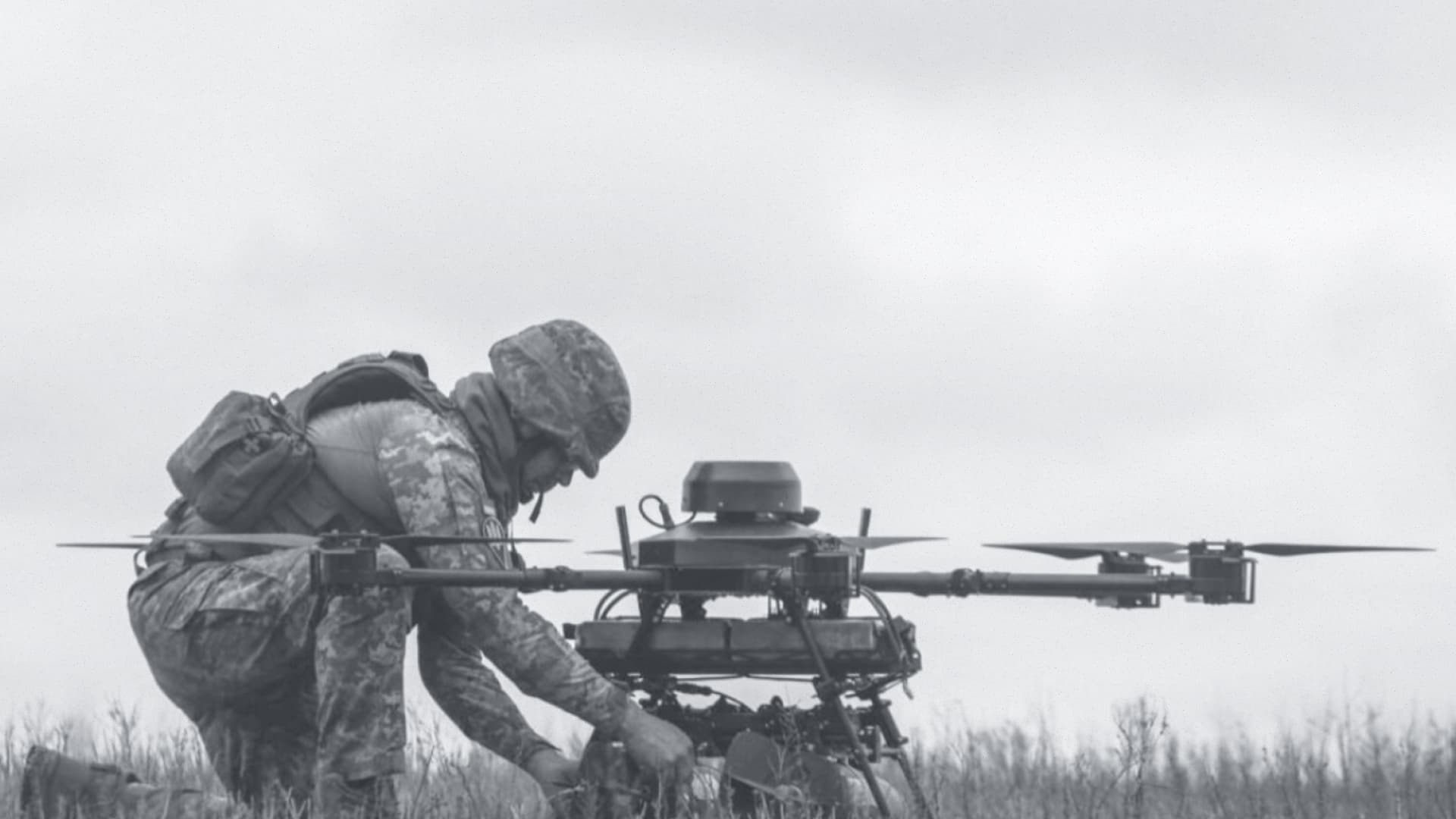
EXPERTS FROM THE FRONT.BUILT FOR THE FUTURE.
Contact Us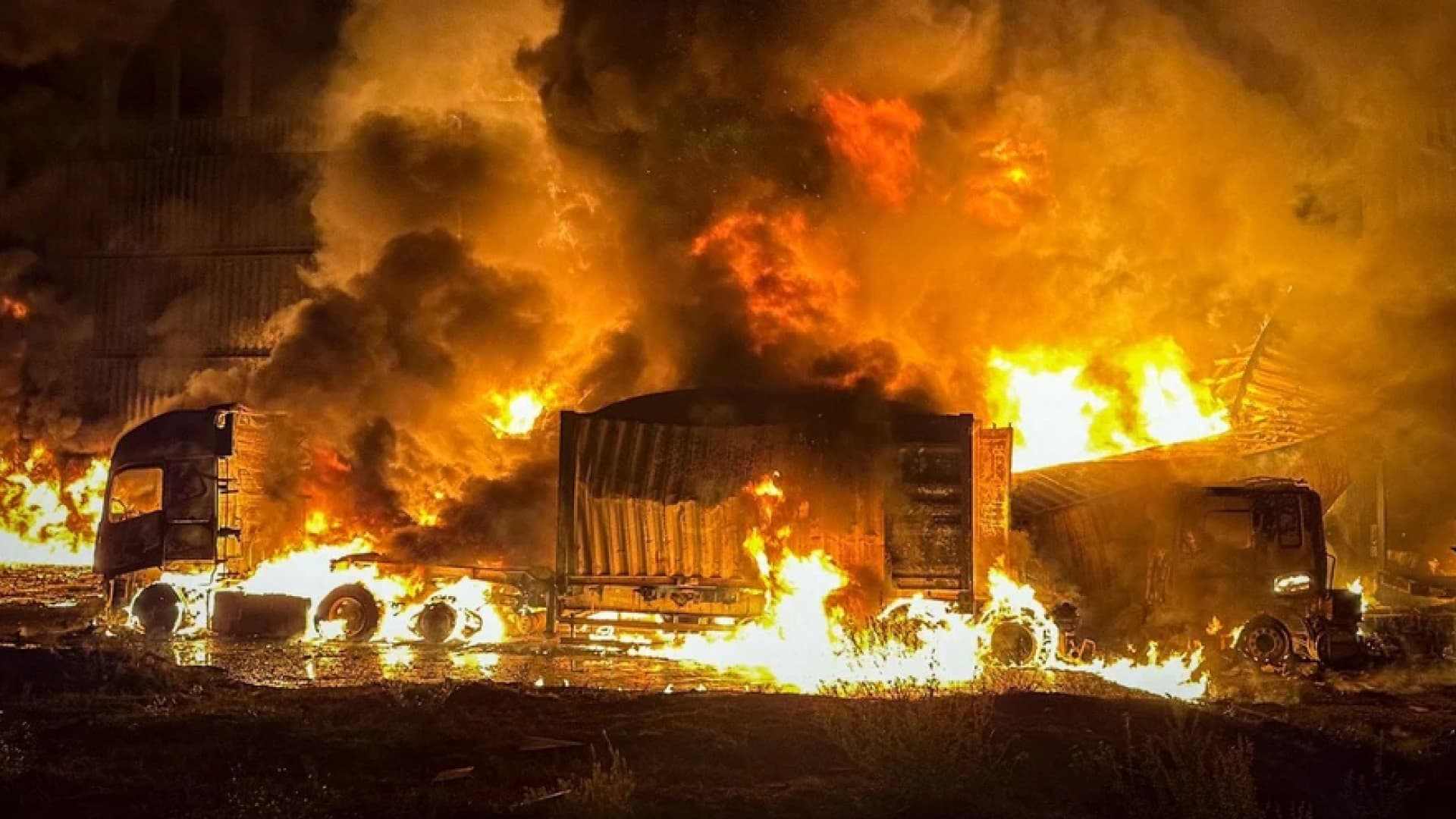
Source: State Emergency Service of Ukraine
The pace of war has changed. Our acquisition model hasn't.
12 YEARS... is the average time for the Department of Defense to field even an initial version of a major weapon system — timelines the GAO calls incompatible with meeting emerging threats.
— U.S. Government Accountability Office, GAO-25-108528 (June 2025).
Threats evolve in real time.
Adversaries test and field improvements through rapid battlefield feedback.
Legacy acquisition is built for predictability, not adaptation.
Requirements are defined years before capabilities reach the battlefield.
The result is cost asymmetry.
When you can’t out-iterate the threat, you’re forced to use $2M interceptors against $20K drones.
The Pentagon is already pivoting. The window is open now.
“How much of those exquisite weapons and systems are we willing to sacrifice in place of low-cost autonomous weapons?”
98%
of autonomous weapons depend on Chinese-controlled rare-earth supply chains.
2027
Mandatory DoD ban on Chinese drone components.
18–24
Months
DoD’s Replicator initiative aims to field thousands of attritable autonomous systems.
The problem is recognized. The budget is moving. The question is who executes.
The biggest budget doesn't win anymore
The fastest to iterate does
Foundation is built to win the race.
Proprietary Access to Ukraine
Sole U.S. sponsor in Ukraine's top defense cluster. JVs with the builders behind the drone revolution.
Fastest Iteration
From the front line to the production line in weeks, not years.
Signed Demand
LOIs in hand from U.S. and allied government customers.